
Who is a Protected Species Observer?
Understanding a key role in responsible offshore operations
Offshore operations often take place in areas where human activity may overlap with sensitive marine habitats. Construction works, pile driving, explosive blasting, dredging, demolition, geophysical surveys, vessel movements, and other marine activities can all require careful environmental monitoring. One of the roles designed to support this process is the Protected Species Observer, commonly known as a “PSO”.
At first glance, the role may sound simple: observe the sea and report what is seen. In practice, it is much broader: a PSO supports the connection between environmental protection, regulatory compliance, offshore project planning, and real-time operational awareness.
What is a Protected Species Observer?
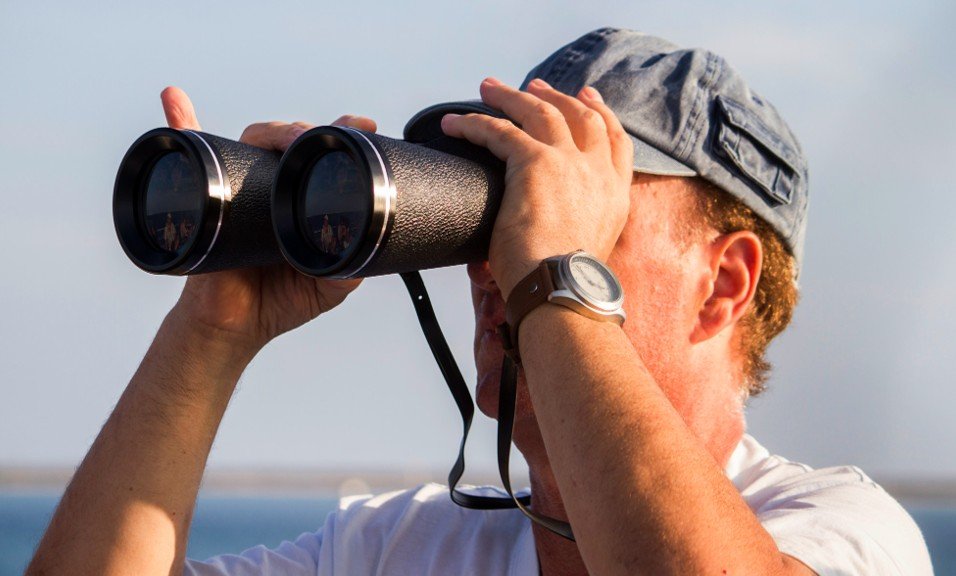
A Protected Species Observer is a trained professional who monitors protected marine species during activities that may affect them. NOAA Fisheries defines PSOs as trained professionals who monitor federally protected species under the Endangered Species Act and / or the Marine Mammal Protection Act to help projects meet regulatory compliance needs. They’re typically associated with marine and offshore activities where protected species may be exposed to operational disturbance or risk.
In some regions, particularly in UK and JNCC-guided offshore work, a similar role may be referred to as a Marine Mammal Observer, or MMO. While terminology can vary by jurisdiction and project type, both PSOs and MMOs are involved in monitoring protected marine species, supporting mitigation measures, and documenting observations during offshore operations.
According to NOAA Fisheries, projects that may require PSOs include construction and demolition, pile driving, explosive blasting, and geophysical or seismic surveys. Observation work is usually focused on marine mammals, such as whales and dolphins, and sea turtles, but observers may also encounter other protected marine species, including manta rays, sharks, salmonids, and sturgeons.
This shows an important point: PSO work is not limited to one sector but may be relevant to activities where environmental monitoring is required by regulation, permit conditions, or project-specific mitigation plans.
But visual monitoring is only one part of the role: a PSO must also understand what they are looking for, how to describe it, how to estimate its position and behavior, how to communicate relevant information, and how to record observations in a way that can be used for compliance and reporting.
NOAA Fisheries notes that PSO credentials may be reviewed for specific projects to ensure candidates have the appropriate training or experience to perform duties such as detecting protected species, observing and recording behavior, documenting interactions, and advising on required mitigation measures.
In simple terms, a PSO is a trained observer who helps ensure that marine operations are carried out with proper awareness of protected species, project conditions, and environmental requirements.
What does a PSO monitor?
A PSO may monitor for different species depending on the project area, season, regulatory framework, and permit conditions.
In many offshore contexts, the focus is on marine mammals such as whales, dolphins, porpoises, seals, and sea lions. Sea turtles may also be included, as well as other protected species depending on the region and activity. However, PSO monitoring is not only about identifying the species.
The observer may need to record the number of animals, behavior, movement direction, distance from the vessel or activity area, environmental conditions, and whether the animal is within or approaching a relevant monitoring or exclusion zone.
Reporting: where observations become evidence
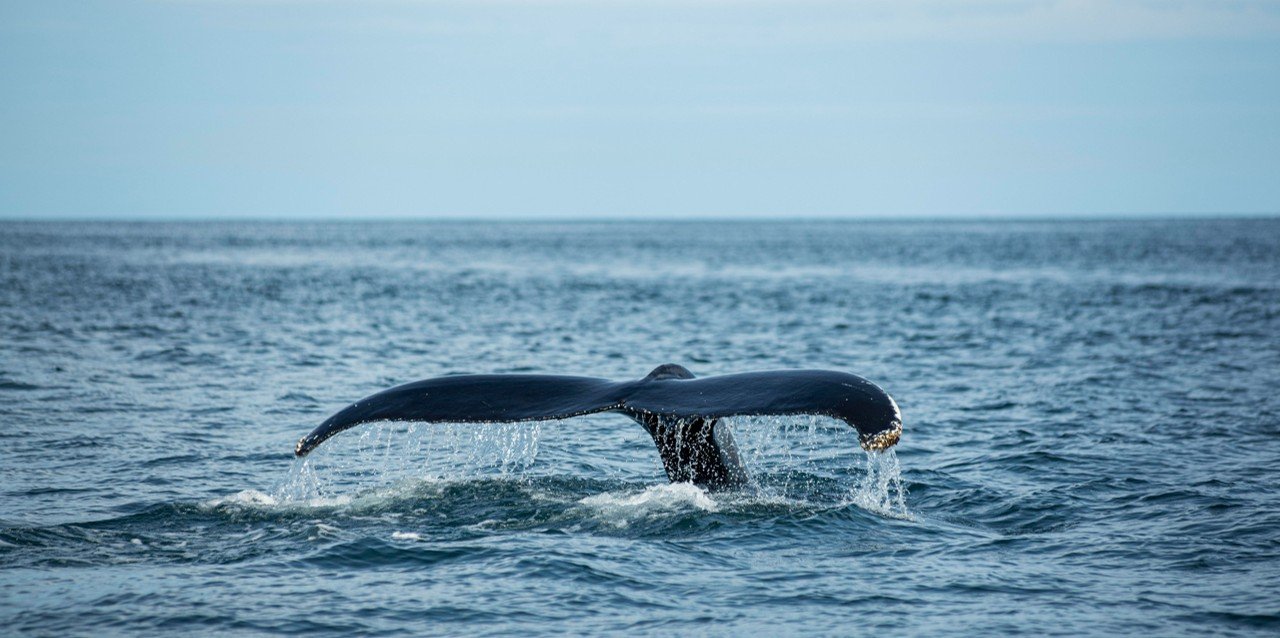
One of the most important parts of PSO work is documentation. A PSO’s observations may become part of the formal record showing how a project was monitored, what species were observed, what conditions were present, and what mitigation actions were implemented.
JNCC guidance for geophysical surveys uses the term Marine Mammal Observer, or MMO, and emphasizes the importance of standardized marine mammal recording forms and reports, including how mitigation guidance was implemented, any problems encountered, and any instances of non-compliance.
A strong report helps demonstrate what happened during the operation. It supports transparency, regulatory review, and continuous improvement. It also helps ensure that environmental monitoring is not treated as a formality, but as a documented part of responsible project execution.
PSO work is teamwork
PSOs do not work in isolation — their work often depends on cooperation with the bridge team, project personnel, environmental managers, survey teams, Passive Acoustic Monitoring operators, and other crew members involved in the operation.
In some projects, PSOs may work alongside PAM operators. Passive Acoustic Monitoring can help detect vocalizing marine mammals, especially when visual monitoring is limited by darkness, weather, sea state, or visibility.
JNCC notes that its mitigation guidance is supplemented by guidance for the use of Passive Acoustic Monitoring in UK waters, intended to standardize when PAM is used to mitigate risk to marine mammals.
What makes a good PSO?
A good PSO role requires a combination of practical skills, technical awareness, and professional discipline. These include species identification, visual scanning techniques, distance estimation, understanding of project-specific monitoring requirements, accurate recordkeeping, and clear communication.
NOAA Fisheries notes that PSOs should have education and / or experience, as well as appropriate training, to safely and effectively perform their required duties. It also states that project-specific experience, training, or certifications may be required depending on industry standards, regulatory conditions, and employer guidelines.
In nearshore contexts, NOAA Fisheries similarly recommends that observers demonstrate education in marine biology or a related field, or relevant work experience that includes protected species identification and observation.
Why the role matters
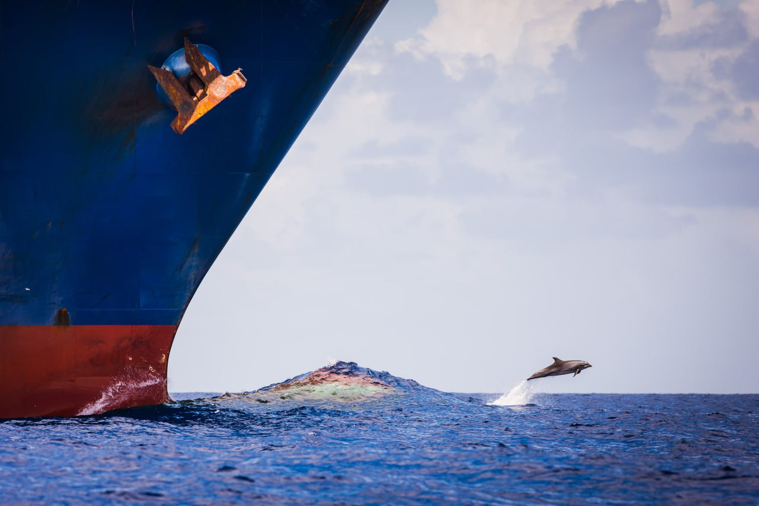
Protected Species Observers help offshore and marine projects manage environmental responsibilities in practical terms. Their role supports better awareness of protected species, clearer implementation of project requirements, and more reliable documentation of what occurred during operations:
- For project teams, PSO work helps translate environmental obligations into structured monitoring and reporting.
- For regulators and stakeholders, it provides evidence that protected species were considered during the operation.
- For marine life, it contributes to reducing unnecessary risk during human activity at sea.
At Learnmarine, we believe that effective training should help professionals understand not only the procedure, but also the purpose behind it. PSO awareness is not only about knowing definitions, but understanding how observation, communication, mitigation, and reporting work together to support responsible marine operations.
Sources used
- NOAA Fisheries — Protected Species Observers.
- NOAA Fisheries — Protected Species Observer Information for New England, the Mid-Atlantic, and the Southeast.
- JNCC — Guidelines for minimizing the risk of injury to marine mammals from geophysical surveys.
- NOAA Technical Memorandum NMFS-OPR-49 — National Standards for a Protected Species Observer and Data Management Program.
- For a more detailed explanation of PSO responsibilities, project examples, protected species identification, monitoring, mitigation, and reporting, see the course.
Leave a comment
Be the first to comment.